
Up to 75% of women will experience discomfort around the front or back of the pelvis in pregnancy. Pain coming from the pelvic joints or spine can be felt in your buttocks, hips, lower back, thighs, pubic bone and groin.
Pelvic pain can be caused by any of the below;
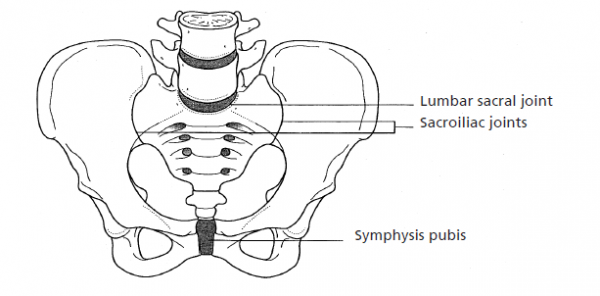
Weakness of your muscles
Weakness in your tummy muscles, pelvic floor, hip and buttock muscles can lead to the pelvic girdle becoming less stable.
Hormones
During pregnancy hormones can make the ligaments more soft and stretchy which can reduce support to the pelvic joints.
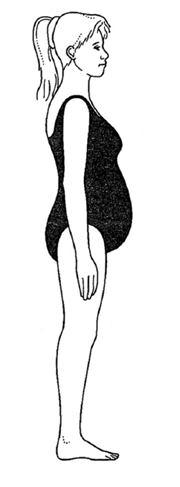
The added weight of your baby and weight gain in pregnancy causes increased pressure and load through your pelvis.
- Changes in your posture
- Weight Gain
- A previous fall or accident which has damaged your pelvis
This may make your pain worse in pregnancy.
With a prompt referral to our physiotherapy services and using our specialist knowledge, our treatment for these symptoms can make your pain more manageable during pregnancy.
After the delivery of your baby if your pain is not improving you can also be referred to our service within six weeks. Postnatally, most women should expect their symptoms to improve in the first six weeks.
Back and pelvic pain during pregnancy
This video offers general advice on understanding and managing back and pelvic pain during pregnancy.
Back and pelvic pain during pregnancy.
Pain that limits day-to-day activities during pregnancy is not normal, but it is common. This pain may be around the pelvis or the lower back. Bending down, lifting things, doing activities on one leg, or spending a long time in one position may make this worse.
Here are a few things that may be useful in managing this pain:
Regular exercise is important. Choose something that does not aggravate your pain. Change position regularly and follow the advice on posture. Use heat, such as a hot water bottle, on the lower back for 15 minutes. This should be wrapped in a towel and never be placed on the bump.
Sit down when getting dressed. Try walking with shorter steps. Keep your knees together when rolling over in bed, and squeeze your buttock muscles to help lift your hips and pelvis as you turn.
Postural changes are normal during pregnancy as your bump grows and you gain weight. It’s also normal to gain around 15 kilograms during pregnancy. Hormonal changes also allow your body to become more mobile.
If you have ongoing pain that’s not resolved during or after your pregnancy with this advice, please speak with your midwife or GP, and they may refer you to physiotherapy.
Posture and Positioning During Pregnancy and Following the Birth of Your Baby
This video provides guidance on safe and comfortable posture and movement during and after pregnancy.
Posture and Positioning During Pregnancy and Following the Birth of Your Baby
Here are some simple tips to help you look after your body during pregnancy.
Sitting:
Keep both feet flat on the floor and your hips in line with your knees. A rolled towel placed behind your back can improve comfort.
Sit to Stand:
Come to the edge of the seat, bring your feet under your knees, and lean forwards. Squeeze your bottom muscles and pull in your stomach muscles as you stand. Avoid twisting.
Standing and Carrying:
Stand up tall. When lifting objects, make sure you bend your knees and keep the object close to your body. Try to avoid carrying things repeatedly on the same side.
Sleeping:
Lie on your side with a pillow between your knees and ankles, and one under your bump. Alternating between your left and right sides can help, or you can sleep on your back as long as you’re propped up so your shoulders are above your hips by at least 45 degrees.
It’s advised, if comfortable, to try and fall asleep on your left side, especially after 28 weeks. Don’t worry if you wake up in a different position.
Getting Out of Bed:
Roll onto your side, keeping your knees together. Squeeze your bottom muscles, pull in your stomach muscles, and push through your feet to help you turn. Let your legs come over the edge of the bed and push up to a sitting position with your arms.
Following Birth:
It’s important to look after your back. Try the following:
If changing your baby: Use a surface at waist height. If you’re using a bed or the floor to change or bath your baby, kneel down to prevent stooping forwards.
When feeding your baby: Use a supportive chair or sit well in bed. If breastfeeding, bring the baby to your breast and use pillows underneath the baby so you’re not bending forwards.
If sitting in a chair, make sure your feet are well supported on the floor and the baby is well supported and can’t fall.